Politics
Mliswa Claims ZANU PF Heavyweights Aligning With Chiwenga Amid Succession Tensions
By Staff Reporter
ZANU PF’s simmering succession politics resurfaced this week after a rally in Manicaland sparked renewed debate over alleged factional manoeuvring within the ruling party.
The controversy follows remarks made at the rally by Presidential Adviser Paul Tungwarara, who appeared to suggest that financial power cannot determine presidential succession. Although no names were mentioned, the statement was widely interpreted in political circles as a veiled reference to businessman Kudakwashe Tagwirei.
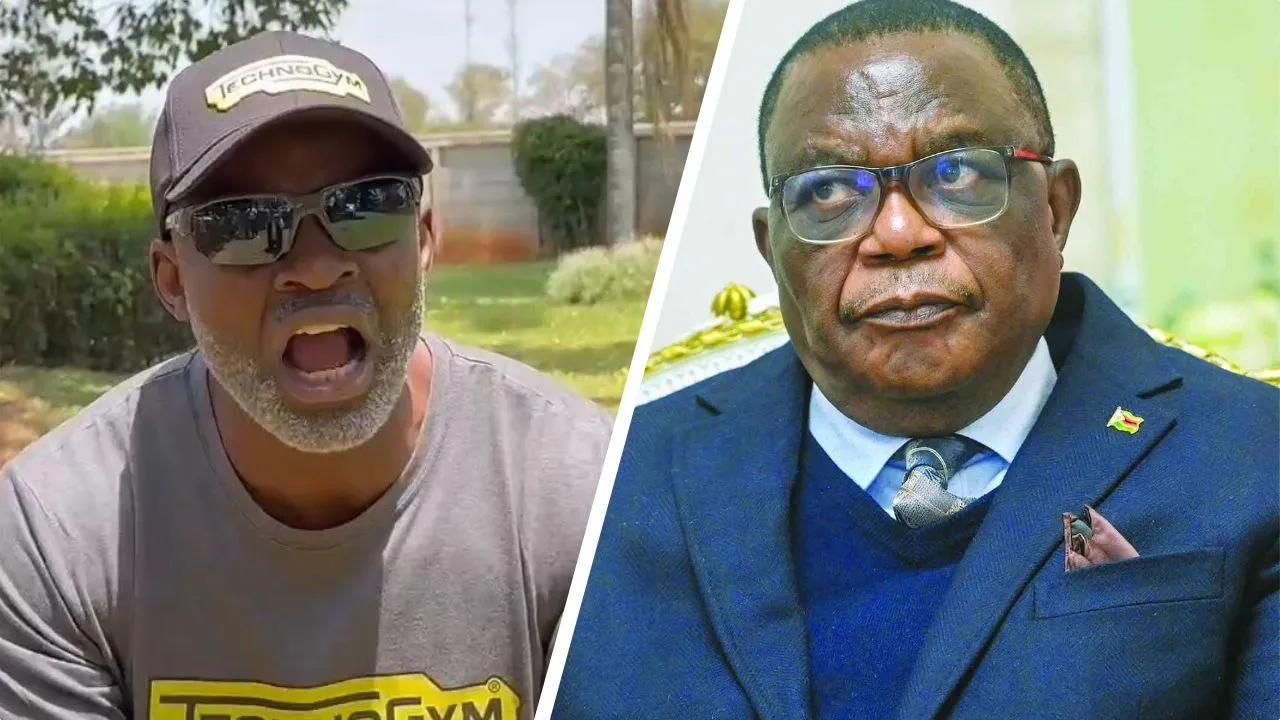
Former Norton MP and outspoken political commentator Themba Mliswa weighed in on the developments, arguing that the rally and its messaging were part of a broader strategy by senior ZANU PF figures to undermine Tagwirei while consolidating support around Vice President Constantino Chiwenga.
Mliswa said the presence of Information Secretary Christopher Mutsvangwa at the Manicaland event was significant, noting that Mutsvangwa rarely attends political activities outside Mashonaland West. According to Mliswa, this was not coincidental but part of what he described as a calculated effort to discredit Tagwirei, who is increasingly viewed as a potential contender in future leadership configurations.
“Beneath the veneer of loyalty to the party and the President was a clear attempt to belittle and undermine Tagwirei, who is perceived as a serious rival to Vice President Chiwenga,” Mliswa said.
He further alleged that a growing number of senior party officials were aligning themselves with the Chiwenga camp. Mliswa named several ZANU PF heavyweights he claimed were either openly or covertly supporting the Vice President, including senior figures in the youth and women’s leagues, as well as Politburo members.
Mliswa also suggested that internal incentives were being used to consolidate loyalty, alleging that promises of future leadership positions were being dangled to secure factional support. He warned that such manoeuvres risk destabilising the party and undermining President Emmerson Mnangagwa’s authority.
In his remarks, Mliswa cautioned Tungwarara, whom he described as a close associate, against being drawn into factional battles driven by “power-hungry elements,” warning that political expediency could ultimately leave him exposed.
He further claimed that ZANU PF structures in Manicaland Province had effectively defied party constitutional processes by openly promoting preferred candidates, describing the move as a challenge to party discipline rather than an expression of internal democracy.
Mliswa also criticised what he termed policy inconsistency surrounding the co-option of Central Committee members, accusing some senior officials of shifting positions to suit factional interests, despite the matter having been nullified by the party’s commissariat.
ZANU PF has not officially responded to Mliswa’s claims. The party has previously dismissed public commentary on succession as divisive, maintaining that President Mnangagwa remains firmly in charge and that internal processes will be followed when the time comes.
Despite such assurances, the latest developments highlight persistent undercurrents of factionalism within the ruling party as competing interests position themselves for influence in a post-Mnangagwa era.