Opinion and Analysis
The African Apostolic Church’s stabilised Zimbabwe during Political Turmoil: Analysts
By Filbert Kufainyore in England
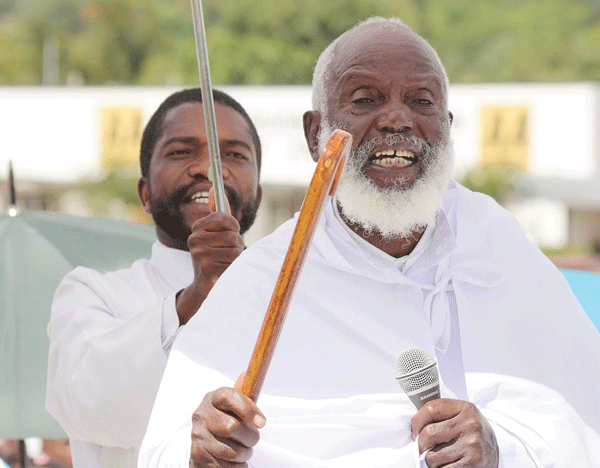
The African Apostolic Church (AAC), founded by the late Archbishop Paul Mwazha, has played a quiet but significant role in shaping Zimbabwe’s political atmosphere over the decades, according to analysts and community leaders.
While the church is widely known for its strict doctrine of peace, moral discipline, and separation from political corruption, its influence has extended indirectly into national politics through its millions of followers.
Political observers note that the AAC’s teachings encouraged lawfulness, unity, and community order, principles that often aligned with national calls for social stability. Although Mwazha himself maintained a strong apolitical stance, urging members to focus on righteousness rather than partisanship, politicians historically viewed the church as an important moral constituency.
The church’s large membership base has contributed to voter participation, especially in rural provinces such as Mashonaland East, Midlands, and Manicaland. However, AAC leadership consistently discouraged political manipulation, insisting members vote “with conscience and prayer.”
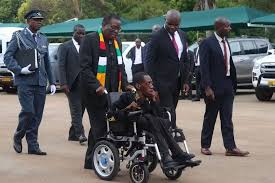
During election periods, government officials occasionally recognized Mwazha’s influence by attending major church gatherings and paying homage to him. Despite these interactions, AAC remained one of the few major religious bodies in Zimbabwe that avoided public endorsements of political parties.
Analysts say this neutrality, combined with the church’s strong emphasis on peaceful conduct, played a stabilizing role during politically tense seasons. Communities dominated by AAC members recorded lower incidents of violence, according to civil society monitoring groups.
Following Mwazha’s death, speculation continues on whether the church’s next leadership will maintain his strict apolitical policy. Some observers warn that factionalism within the church could open opportunities for political exploitation, while others believe Mwazha’s teachings are deeply embedded enough to prevent any dramatic shift.
As Zimbabwe continues navigating complex political challenges, the influence of large religious bodies — including the African Apostolic Church — remains a critical factor in shaping the nation’s social and civic behavior.